Defining strategic goals and data integration requirements in a multi-cloud environment
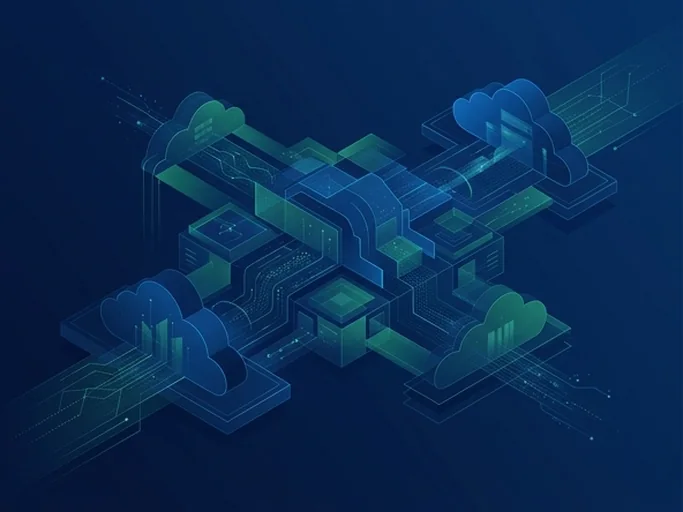
In today's business landscape, enterprises increasingly adopt multi-cloud and Hybrid Cloud strategies, which presents complex challenges for data integration. Effective data integration is crucial for maintaining a unified view of information, enabling data-driven decision-making, and ensuring operational continuity. To successfully implement a unified data fabric, strategic goals and requirements must be clearly defined. These may include a 360-degree customer view, consolidated reporting, or support for new Digital Transformation services.
Key data integration challenges in hybrid and multi-cloud architectures
Integrating data in hybrid and multi-cloud environments faces several significant challenges. One is ensuring the Cybersecurity of sensitive data, which requires comprehensive data classification, encryption both at rest and in transit, strict Identity and Access Management (IAM), network segmentation, and continuous Monitoring source[2]. Multi-cloud environments can also lead to increased costs due to fragmented billing, fewer discounts for reserved usage, and duplicated platform overheads. Data egress fees between clouds can also significantly impact the overall TCO source[3]. Data Governance in a multi-cloud environment encompasses data security, quality, privacy, and compliance with regulatory requirements across various cloud providers, necessitating unified policies and access controls source[1].
Architectural patterns for multi-cloud data integration
Various architectural patterns exist to overcome these challenges:
- Centralized Data Hub: This pattern involves a central repository or platform that collects data from all sources, transforms it, and makes it available for consumption. Advantages include a single point of control and simplified management. Disadvantages include potential bottlenecks and high dependency on the central component.
- Data Mesh: This is a decentralized data architecture and operational model where domain teams own, manage, and provide data as a product source[6]. Advantages include increased flexibility, scalability, and team accountability. Disadvantages include implementation complexity and the need for strong cultural transformation.
- Data Virtualization: Creates a single virtual layer to access, manage, and query data from numerous sources (cloud platforms, databases, SaaS applications) without physical movement or copying, enabling real-time analytics source[4]. Advantages include real-time data access, reduced storage costs, and simplified integration. Disadvantages include potential performance issues for large data volumes and metadata management complexity.
- Data Fabric: This is a metadata-driven architectural pattern that automates the discovery, integration, governance, and activation of metadata across hybrid and multi-cloud environments, providing a unified view of data and policies source[5].
Data management and security strategies in a unified data fabric
Robust management and security strategies are essential to ensure data integrity, availability, and confidentiality in a multi-cloud environment. This includes implementing unified Data Governance and Data Lineage policies source[1]. A Unified Control Plane (UCP) can create a single operational model for managing the full lifecycle of applications and infrastructure across public, private, and On-Premise clouds, reducing operational risks and enhancing productivity source[7].
Selecting tools and platforms for multi-cloud integration
Choosing the right tools is critical. iPaaS is a Cloud Computing service that enables the development, execution, and management of integration flows connecting On-Premise and cloud applications, services, and data source. Other options include cloud-native services (e.g., AWS Glue, Azure Data Factory, GCP Dataflow) and traditional ETL/ELT tools.
How to use the architectural patterns comparison table
This table will help you evaluate different data integration architectural patterns in the context of your unique business requirements and technical constraints. Use it to compare the advantages, disadvantages, and application scenarios of each pattern to make an informed decision about the best approach for your enterprise.
| Architectural Pattern | Description | Advantages | Disadvantages | Application Scenarios | Key Technologies |
|---|---|---|---|---|---|
| Centralized Data Hub | A centralized repository or platform for collecting, transforming, and providing data from all sources. | Single point of control, simplified management, consolidated data view. | Potential bottlenecks, high dependency on the central component, complexity in scaling for large data volumes. | Small and medium-sized enterprises, need for a single source of truth, consolidated reporting. | Data Warehouse, Data Lake, Kafka, ETL. |
| Data Mesh | A decentralized architecture where domain teams own, manage, and provide data as a product. | Increased flexibility, scalability, team accountability, reduced dependency on a centralized team. | Implementation complexity, need for strong cultural transformation, requirement for unified standards and tools. | Large enterprises with numerous business domains, need for rapid innovation and team autonomy. | Kubernetes, Microservices, API, Data Catalog. |
| Data Virtualization | Creation of a single virtual layer for accessing and querying data from various sources without physical movement. | Real-time data access, reduced storage costs, simplified integration, data currency. | Potential performance issues for large data volumes, metadata management complexity, dependency on underlying source performance. | Real-time analytics, operational reporting, integration of data from Legacy System, 360-degree customer view. | Denodo, Tibco Data Virtualization, Trino/Presto. |
| Data Fabric | A metadata-driven architectural pattern that automates the discovery, integration, governance, and activation of metadata. | Unified data view, automated data management, improved Data Governance, support for Hybrid Cloud and Multi-Cloud. | High implementation complexity, significant initial investment, need for experienced specialists. | Enterprises with high data complexity, need for automated metadata management, Data Governance, and Data Lineage. | Apache Atlas, IBM Cloud Pak for Data, Informatica Data Fabric. |
DMIG provides expertise and solutions for building comprehensive data integration systems that span hybrid and multi-cloud environments. Our specialists will help you design the architecture, select optimal tools, and implement a strategy that ensures a unified data fabric, enhances business process efficiency, and supports your Digital Transformation initiatives.
Building a unified data fabric in a multi-cloud environment is a complex but achievable task, requiring strategic planning, selection of appropriate architectural patterns and tools, and continuous management of data security and quality. The right approach will enable your enterprise to unlock the full potential of its data, providing competitive advantages and fostering innovation.
Перелік джерел

Author